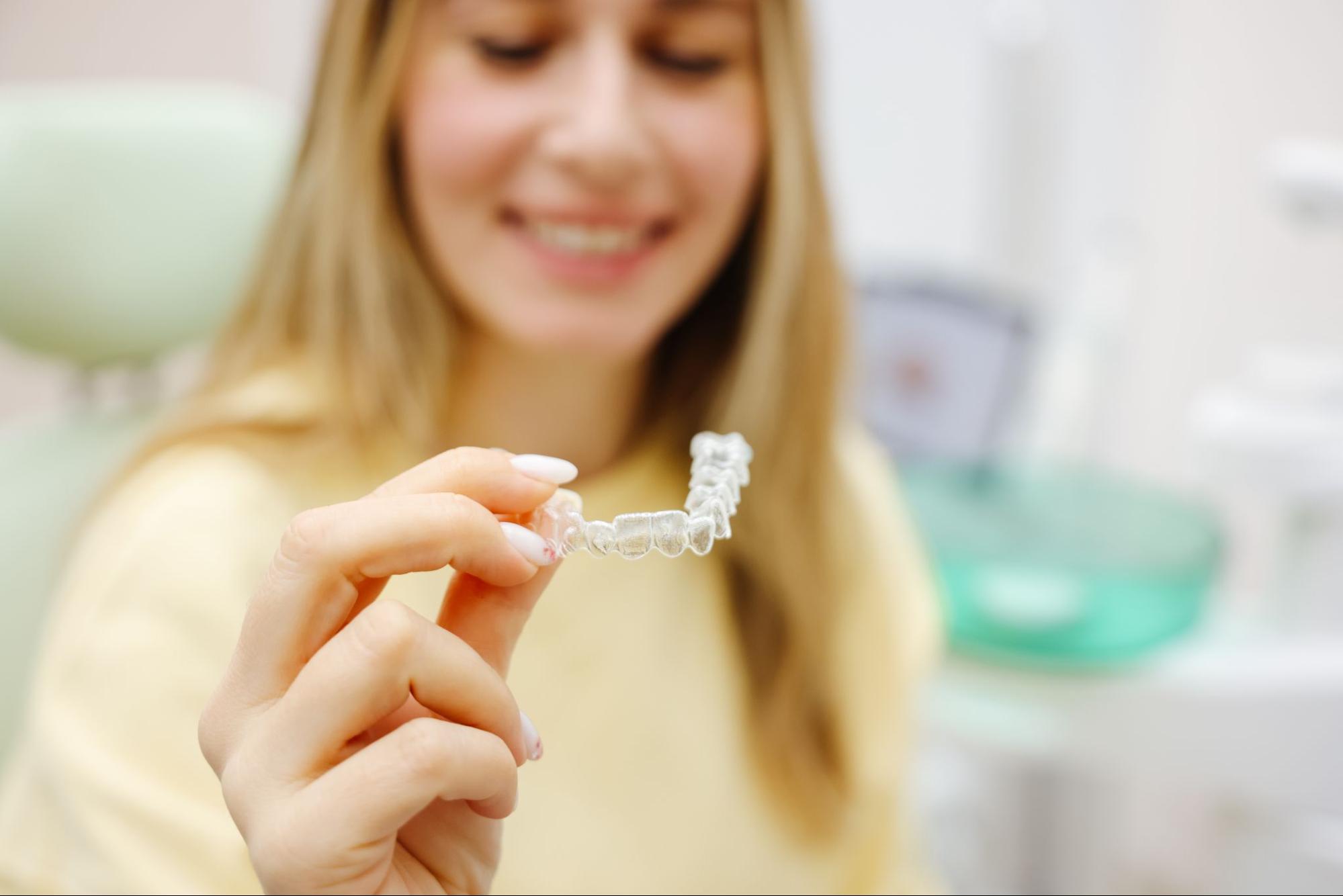
Choosing clear aligners is an exciting step toward achieving your best smile. At Johnston Orthodontics in Baytown, TX, Dr. Johnston and our team want you to enjoy every part of your treatment, not just the results. One of the most important responsibilities you’ll have during your orthodontic treatment is keeping aligners clean so they stay comfortable, discreet, and effective. Let’s discuss how clear aligners work and then dive into the best practices for maintaining them.
How Clear Aligners Work
Clear aligners gradually move your teeth into place using a series of custom trays designed just for you. Each aligner is worn for about 1–2 weeks before progressing to the next in the series. Here’s what makes them effective for teens and adults:
- Custom Fit: Advanced 3D imaging allows us to design trays that perfectly match your smile.
- Sequential Shift: Each new set gently moves your teeth a little closer to their ideal positions.
- Consistent Wear: Wearing them 20–22 hours a day ensures steady progress.
- Convenience: Since aligners are removable, you can brush, floss, and eat your favorite foods with ease.
- Check-Ins: Regular visits help Dr. Johnston track your progress and provide the next trays.
Clear aligners are nearly invisible, comfortable, and flexible, but they only work their best if you keep them clean.
Easy Ways to Keep Aligners Clean
Taking care of your trays keeps them looking clear, but it also protects your oral health throughout treatment. Here are some of the best ways to stay on track:
- Rinse Regularly: Always rinse your aligners with cool water when you remove them. This helps wash away saliva, food particles, and bacteria before they have a chance to build up.
- Brush Gently: Use a soft-bristled toothbrush to clean your aligners at least once a day. Avoid toothpaste, which can be abrasive and scratch the plastic. Instead, use a clear, gentle antibacterial soap.
- Soak Daily: Special cleaning crystals or denture tablets are great for soaking your aligners once a day. This deep clean helps eliminate bacteria and keeps your trays odor-free.
- Avoid Hot Water: Never rinse or soak your aligners in hot water—it can warp the plastic and affect how they fit.
- Remove Before Eating or Drinking: Except for water, don’t eat or drink with your aligners in. Food and colored beverages can stain the trays, making them less invisible and harder to clean.
- Store Them Safely: When not in use, always keep your aligners in their protective case. Leaving them exposed increases the risk of loss, damage, and bacterial buildup.
- Maintain Oral Hygiene: Brush and floss after meals before reinserting your aligners. This prevents you from trapping food and sugar against your teeth, which could lead to decay or bad breath.
By following these simple but powerful habits, you’ll have no trouble keeping aligners clean and maintaining both your oral health and your treatment’s effectiveness.

Troubleshooting Common Clear Aligner Issues
Clear aligners are an excellent way to straighten your teeth discreetly, but small issues can pop up along the way. Here’s how to handle the most common ones:
- Discomfort or Pressure: It’s normal to feel a bit of pressure when switching to a new tray. This usually fades within 24–48 hours. Use aligner chewies to help seat the tray fully and take over-the-counter pain relievers if needed.
- Lost or Damaged Aligner: If you misplace or crack your aligner, don’t panic. Contact our office immediately. Depending on your progress, they may advise going back to the previous set or moving ahead to the next.
- Fit Issues: If your aligner feels like it isn’t fitting correctly after a couple of days, double-check that you’re wearing it for the full 20–22 hours daily. Chewies can also help improve fit.
- Staining or Odor: Aligners can develop odors if not cleaned properly. Avoid eating or drinking anything but water with them in. Rinse them often, and clean with a soft toothbrush and clear, unscented soap.
- Dry Mouth: Wearing aligners may reduce natural saliva flow. Stay hydrated and consider sugar-free lozenges to stimulate saliva production.
Difficulty Speaking: A slight lisp is common early on. Practice speaking out loud to help your mouth adjust more quickly.
Above all else, stay in touch with our orthodontic team at Johnston Orthodontics. We’re your best resource for tackling any aligner issues that may arise!

Time, Practice, and Patience
One important thing to remember with any orthodontic treatment is that the practice supporting you matters a lot, and Johnston Orthodontics is one of the very best. Even if starting clear aligners feels a bit unnatural, we’ll work with you to guide and help you get the hang of it! Schedule your free consultation at our office in Baytown today!