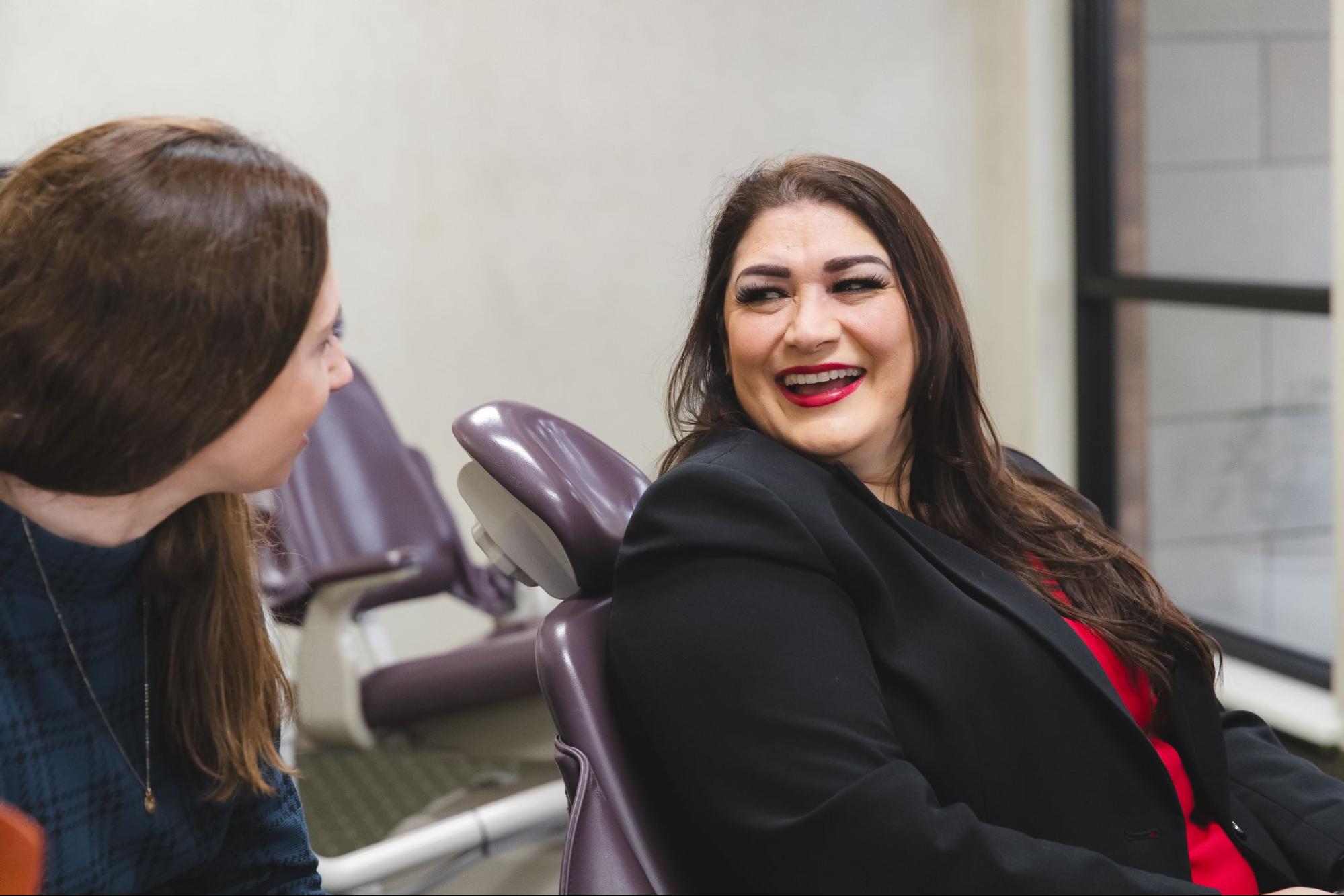
You’ve worn your braces, followed your Baytown orthodontist’s instructions, and finally revealed your new smile. But what’s this? Those cloudy white patches on your teeth weren’t part of the plan. White spot lesions are a common concern after orthodontic treatment, and they can feel like a disappointing finish to your smile transformation.
The good news? Icon white spot treatment offers a simple, no-cutting-required option that can help improve the appearance of white spots in one visit. Here are five things you should know about this approach to treating white spots after braces at Johnston Orthodontics.
What Is Icon White Spot Treatment?
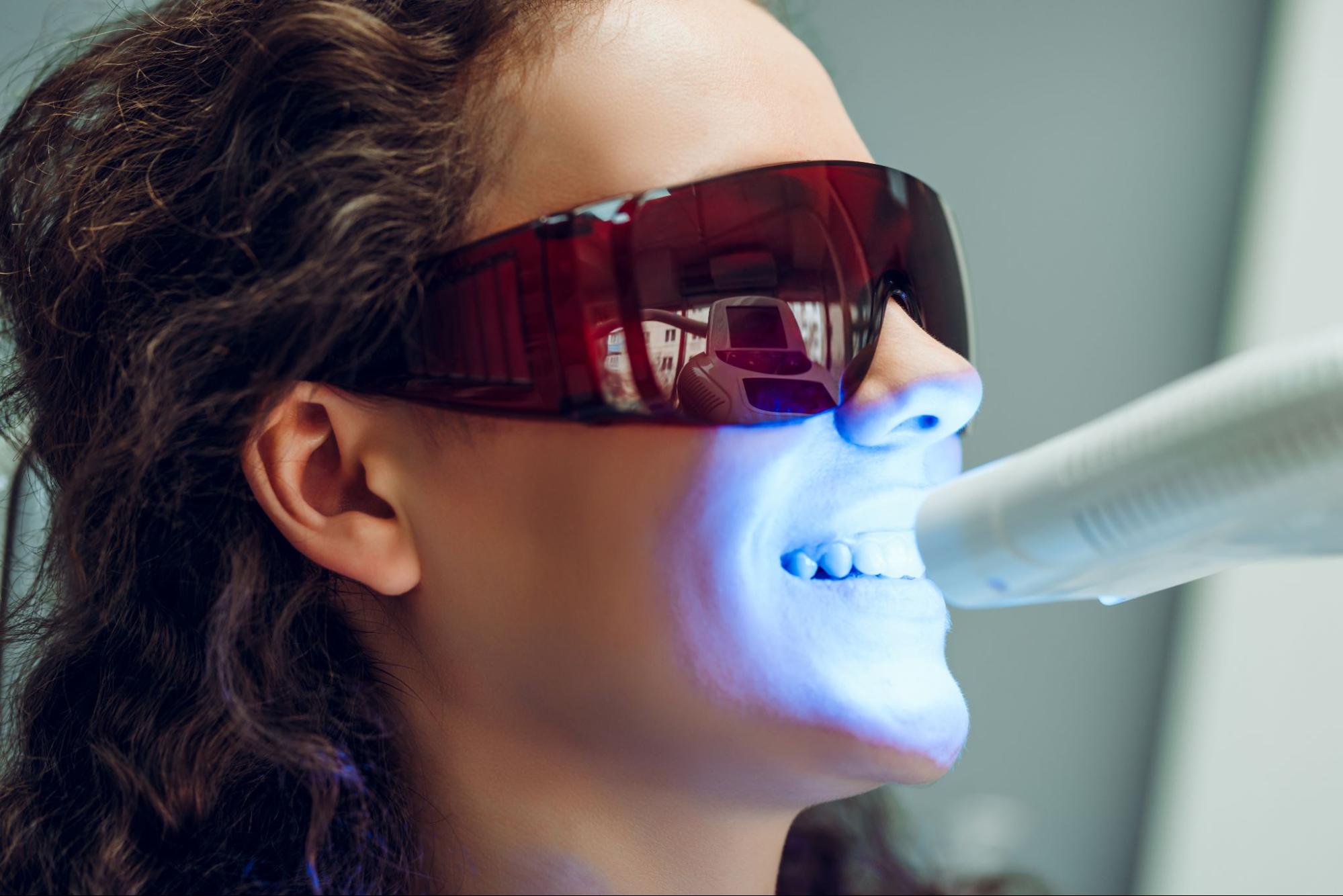
Icon white spot treatment is a minimally invasive resin infiltration system that treats chalky white lesions on teeth without anesthesia, without drilling into your enamel, and without removing healthy tooth structure. In one visit, a special liquid resin fills the porous areas of weakened enamel and helps the treated area blend more naturally with the surrounding tooth.
These white spots are areas where enamel has lost minerals, often appearing as chalky or opaque patches that stand out against your natural tooth color. They’re especially common after braces come off because brackets can make thorough brushing more difficult.
What sets Icon apart from other options is the gentle approach. Once cured with a special light, the resin blends with your surrounding enamel for a more uniform look. Many patients complete Icon treatment in a single office visit. The process typically takes about 45 to 60 minutes, depending on how many teeth need treatment. You walk in with noticeable white spots and walk out with a more even-looking smile.
At our Baytown office, Dr. Fayth Johnston can evaluate your white spots during your debond appointment or at a follow-up visit to determine if Icon is right for you.
How the Icon Treatment Process Works
The Icon treatment follows a straightforward five-step process that Dr. Johnston completes in one appointment because nothing is cut or removed from your tooth. Here’s what to expect:
- Cleaning and isolation – Your tooth surface is thoroughly cleaned, and a rubber dam or other isolation method keeps the treatment area completely dry. Moisture control is essential for the resin to work properly.
- Etching – Next, a mild etching gel goes on the white spot. This opens up the porous enamel layer so the resin can penetrate into the lesion.
- Drying – After etching, a special drying agent removes remaining moisture and prepares the lesion for infiltration. This step helps the resin flow into the microscopic spaces.
- Resin infiltration – The liquid resin is applied and given time to absorb into the white spot, filling the tiny voids in your enamel that were contributing to the chalky appearance.
- Curing and polishing – Finally, a curing light hardens the resin, and your tooth is polished to a smooth, natural-looking finish.
Total chairtime typically ranges from 45 to 60 minutes, though treating multiple teeth may take longer. You can usually eat and drink normally after your appointment unless Dr. Johnston gives you different instructions.

What Are the Benefits of Icon White Spot Treatment?
Families across Baytown love Icon for good reason. Here are some of the perks that make it such a helpful option after braces:
Is Icon Treatment Comfortable?
Yes, very. No needles, no drilling, no numbing required. Most patients feel little to nothing during treatment. If you’ve been putting off addressing white spots because you were worried about discomfort, this may be the gentle option you’ve been hoping for.
Does Icon Preserve Your Natural Tooth?
Absolutely. Unlike traditional fillings that remove tooth structure, Icon fills in damaged enamel without taking anything away. Your tooth stays intact, just with fewer cloudy patches and a brighter, more uniform appearance.
- Quick cosmetic improvement – Many patients see improvement before leaving the office. No long waiting period or multiple visits are usually needed.
- Long-lasting support – With good oral hygiene, results can last for years because the resin becomes part of the treated tooth structure.
- Supports weakened enamel – Beyond the cosmetic improvement, Icon helps seal the demineralized area and may reduce the risk of progression when paired with good hygiene.
- A great match after braces – Icon can help complete your orthodontic result by addressing a common concern that appears once brackets are removed.
For families who’ve invested time in orthodontic treatment, Icon offers a way to refine their smile without additional invasive steps. You can also review our braces care tips, orthodontic treatment guide, and braces vs. clear aligners blog resources.
Icon vs. Other White Spot Treatment Options
Wondering how Icon stacks up against other ways of treating white spots? Here’s a quick breakdown:
| Treatment | Invasiveness | Cost | Best For |
|---|---|---|---|
| Icon resin infiltration | Minimal, no healthy tooth structure removed | Moderate | Early-stage white spots, post-braces lesions |
| Enamel microabrasion | Minimal, removes surface enamel | Moderate | Very superficial stains |
| Teeth whitening | None | Low to moderate | Overall tooth lightening, not targeted white spot blending |
| Composite bonding | Minimal to moderate | Moderate to high | Deeper defects, chips, or broader cosmetic concerns |
| Veneers | Significant, reshapes teeth | High | Severe discoloration or multiple cosmetic concerns |
Icon vs. microabrasion: Microabrasion physically removes a thin layer of enamel to reduce staining. Icon preserves more tooth structure by filling rather than removing.
Icon vs. whitening: Teeth whitening brightens all your enamel but doesn’t specifically target white spots. In fact, whitening can sometimes make spots more noticeable at first. Some patients get the best results by pairing Icon treatment with whitening after professional guidance.
Icon vs. veneers: Veneers require reshaping your natural teeth and cost significantly more. Icon is far less invasive and more focused for white spots alone.
Icon vs. composite bonding: Bonding works well for deeper defects, but for shallow white spot lesions, Icon can often provide a more natural, blended finish.
How Much Does Icon White Spot Treatment Cost?
Icon white spot treatment costs vary based on the number of teeth treated, lesion depth, and whether it’s bundled with other cosmetic services. Many dental insurance plans classify it as cosmetic and may not cover it, but flexible payment options may be available at the Baytown office to make treatment more accessible.
Several factors influence what you’ll pay for Icon treatment:
Number of teeth – This is the biggest factor. Treating one or two teeth costs less than treating several. Your provider can give you an estimate based on your specific situation during a consultation.
Lesion severity – Deeper or more extensive white spots may require additional resin application, which can affect the total cost. Some lesions take a single pass; others need a little more attention.
Bundled services – Some patients may pair Icon with whitening or other smile-finishing services. Bundling can be a helpful way to round out your smile transformation efficiently.
Insurance coverage – Many dental insurance plans classify Icon as cosmetic and may not cover it. Still, check with your provider since policies vary, and our team can help you understand what applies.
Payment options – Johnston Orthodontics offers flexible payment conversations to help families understand their options before moving forward.
Pricing for Icon varies by case, so an evaluation at our Baytown office is the best way to get a clear estimate tailored to your specific situation. You can also begin with our Free Consult page or contact us through Contact Us.
Who Is a Good Candidate for Icon?
Icon works well for many patients, but it’s not the right solution for everyone. You may be a good candidate if you have:
- White spots from orthodontic treatment – The most common reason patients seek Icon is to address lesions that appeared during braces. If you’ve just had your brackets removed and noticed cloudy spots, Icon may be a good option.
- Developmental enamel defects – Some people develop white spots during childhood due to illness, medications, or nutritional factors. Icon may soften the look of these long-standing spots.
- Mild fluorosis – Excess fluoride during tooth development can cause white streaks or spots that Icon may help improve cosmetically.
- Early-stage, non-cavitated lesions – Icon works best when the white spot hasn’t progressed to an actual cavity. Catching things early gives you the most options.
- Commitment to oral hygiene – For results that last, you’ll need to keep up good brushing and flossing habits. Healthy daily habits protect your investment.
Icon may not be right for you if:
- Your white spots have progressed to cavities requiring traditional fillings
- You have severe enamel damage or deep decay
- The lesions are on tooth surfaces that are difficult to isolate and keep dry
Dr. Fayth Johnston can evaluate your specific situation at the Baytown office and recommend whether Icon or another option would give you the best results for your smile goals.
How to Prevent White Spots During Orthodontic Treatment
The best way to deal with white spots is to prevent them before they develop. Patients with braces, braces in Crosby, or clear aligners should keep daily hygiene consistent throughout treatment.
- Brush carefully around brackets and wires after meals
- Floss daily with a threader, orthodontic flosser, or water flosser
- Limit sugary drinks and frequent snacking
- Use fluoride products as recommended by your dental or orthodontic team
- Keep all adjustment visits and regular dental cleanings
For more help during treatment, review our blogs on how to take care of braces, keeping aligners clean, and foods to avoid with braces in Baytown.

Frequently Asked Questions About Icon
Does Icon treatment hurt?
No. Icon requires no anesthesia because no healthy tooth structure is removed. Most patients feel little to nothing during the visit. You might notice a slight taste from the etching gel, but there should not be significant discomfort.
How long do Icon results last?
With proper oral hygiene, Icon results can last for years. The resin becomes integrated with the treated tooth structure, so it is durable. Regular brushing, flossing, and dental checkups help maintain your results.
Can Icon be used on children?
Yes. Icon may be appropriate for younger patients and can be especially helpful for children with white spots from orthodontic treatment or developmental enamel issues. The lack of needles and drilling makes it a comfortable option for younger smiles when clinically appropriate.
Will the Icon resin match my natural tooth color?
The resin is designed to take on the optical properties of the surrounding enamel, creating a natural blend. Your treated tooth should not look “filled” or artificial when the case is a good fit.
How soon after braces can I get Icon treatment?
Your Baytown orthodontist may recommend a brief remineralization period after your braces come off. This gives your enamel time to recover and helps determine which spots truly need treatment versus which might improve on their own with good hygiene and fluoride. At Johnston Orthodontics, Dr. Johnston walks you through the timing during your post-braces visit.
Is Icon covered by dental insurance?
Rarely. Many insurance plans classify Icon as a cosmetic treatment. Check with your specific provider, but plan to pay out of pocket or explore payment options through our Baytown office.
White spots don’t have to stick around after your braces come off. If you’re curious about those cloudy patches on your teeth, Icon offers a quick, comfortable way to improve the appearance of your smile. Learning about your options is the first step, and Dr. Johnston and the team at Johnston Orthodontics are always happy to answer questions when your family is ready to explore what’s possible for Baytown’s brightest smiles.
To continue learning, visit our Baytown Orthodontics, Orthodontist Baytown, Braces Baytown, Clear Aligners, Our Treatments, Crosby Orthodontist, and Mont Belvieu Orthodontist pages.